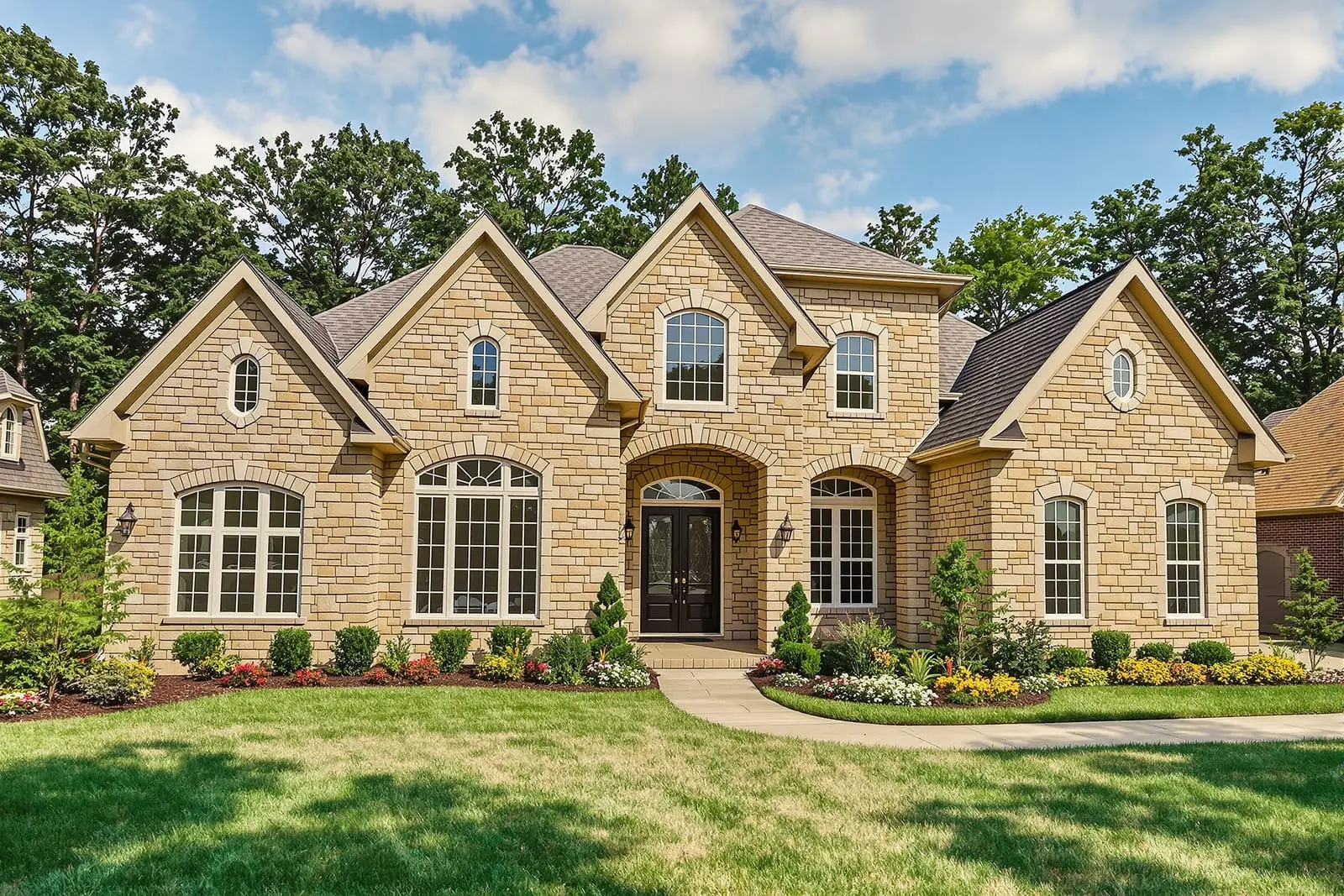
We provide stone masonry in Lexington, KY that blends natural beauty with structural strength. Our team builds stone walls, facades, columns, and outdoor features that complement your home. With careful stone selection and tight fitting joints, we create work that performs well and looks timeless.
Vanguard Masonry Lexington provides professional stone masonry throughout Lexington, KY and the surrounding area. Our licensed, insured crew delivers safe, clean, on-time work with a free estimate before anything begins. Call (859) 413-4988 or request your free quote.
Stone Masonry in Lexington, Done the Right Way
Stone work should not feel like a guessing game. At Vanguard Masonry Lexington, we treat every stone masonry project in Lexington as a blend of structure, drainage, and appearance that has to hold up to Kentucky’s freeze-thaw cycles and heavy summer storms.
When you call us about stone masonry, we start by walking the property with you. We look at slopes, existing concrete or brick, downspouts, and where water naturally moves in your yard. In Lexington, poor grading and clay-heavy soils can cause stone walls to lean or patios to heave if they are not planned correctly. We point out any concerns on the spot and explain how they affect the design and cost.
Next we talk about how the stone will be used. Structural projects like retaining walls, porch foundations, and steps need different installation details than a decorative garden wall or a thin stone veneer on your house. Vanguard Masonry Lexington explains which options are realistic for your budget and what will last on your specific lot, not just what looks good in photos.
Before you sign anything, we give a clear written scope that spells out base depth, type of stone, mortar or joint style, drainage measures, and what existing materials will be removed or reused. That way you know exactly what kind of stone work you are paying for and what to expect during the job.
How We Actually Build Your Stone Work
Quality stone masonry is mostly about the parts you do not see. Our crews follow a detailed process tailored to central Kentucky soils and weather.
Site prep and excavation come first. For patios, walks, and sitting walls, we strip sod and soft soil and dig down to stable ground, often 6 to 10 inches depending on use and soil conditions. For retaining walls and steps, excavation is deeper and wider so we can build a proper base and footing. We haul away the spoils so you are not left with a pile of dirt.
We then install a compacted base, usually a dense graded aggregate that locks up solid when compacted with a plate tamper. In Lexington’s clay, this base and proper compaction make the difference between a stone feature that lasts and one that shifts after the first winter. For patios and walks we also add a thin leveling layer of stone dust or sand over the base to fine tune surface height.
If the project is structural or uses mortared stone, we pour a concrete footing where needed, tie in rebar for strength, and then start setting stone. Our masons sort stone by size and thickness before they lay the first piece. This lets us stagger joints, keep courses level, and avoid thin, weak spots.
For dry stack walls or natural stone edging, we key larger stones into the slope, overlap joints, and backfill with clean drain stone and fabric. For mortared work, we use appropriate masonry cement mixes and joint profiles (like raked or brushed joints) that allow water to shed instead of sit in the stone. Every few courses, we stop to check plumb, level, and alignment from multiple angles.
Once the stone is in place, we finish with careful joint tooling, clean up mortar smears, and backfill and compact behind walls in lifts. For patios and walks we set final grades to push water away from your home, not toward the foundation. Before we leave, we walk the job with you so you can see details like weep holes, drain outlets, and joint style and know how your new stone feature was built.
Stone Choices That Work in Lexington’s Climate
The stone you pick has a big impact on cost, appearance, and how well it handles Kentucky weather. Vanguard Masonry Lexington helps you match stone type to use so you do not pay for a look that will not last.
For patios and walks, we commonly use natural flagstone, cut limestone, and sometimes sandstone-rated products that can handle freeze-thaw without flaking. We talk through surface texture (natural cleft vs smoother finishes) so you are not surprised by how it feels underfoot or when wet. In shaded Lexington yards, we often steer clients away from overly smooth stone where algae can make surfaces slippery.
For walls and steps, full-depth limestone, fieldstone, and heavy weathered stone are popular because they fit the character of older Lexington homes and farms. These stones handle load well and, when properly bedded, resist movement in clay soils. If you like the look but want to control cost, we can mix full-depth stone on corners and caps with a quality veneer in the middle sections.
Stone veneer is a strong option for resurfacing concrete foundations, porch fronts, or chimney faces. We work with both natural veneer and manufactured stone. Natural veneer offers more variation and depth, while manufactured products often give tighter budget control and consistent color palettes. In Lexington’s sun and weather, we pay close attention to manufacturer installation specs so veneer does not detach years later.
We also cover joint and edge details that many homeowners do not think about until after the job. Examples include wide rustic joints that fit historic properties vs tight modern joints for newer homes, drip edges on caps to keep water away from siding, and overhang details on steps to reduce chipping on leading edges. These small choices affect how easy the stone is to maintain and how forgiving it is to daily use.
What Affects Price and How We Help You Control It
Stone masonry pricing is driven by labor first, then stone choice, and finally site conditions. Vanguard Masonry Lexington explains each factor up front so you can adjust the design before work starts, not after.
Labor depends on complexity. A random pattern flagstone patio with curves, multiple borders, and tight joints takes longer than a straight-running coursed pattern. Walls with steps, curves, and integrated lighting also add layout and cutting time. If you are trying to hit a budget, we might suggest straighter runs, fewer pattern changes, or using stone only in high-impact areas where you will notice it most.
Stone type is the second major driver. Locally quarried or widely available stone is usually more affordable and faster to get on site than special-order products. Thicker or larger pieces cost more per ton but can sometimes reduce labor because they cover more area per stone. We help you compare options based on installed cost, not just material price per pallet.
Site conditions are the wild card. Tighter backyards in Lexington neighborhoods may require more hand work and smaller equipment. Poor access or slopes can increase excavation and base preparation time. If there are existing structures that need careful demolition, like old concrete steps or failing block walls, that also affects cost. We walk you through where we can save money (reusing some base material if it is sound, adjusting layout to avoid major roots or utility lines) and where cutting corners would shorten the lifespan of the work.
We are also honest about long-term value. Sometimes a slightly higher initial cost for deeper base, added drainage, or thicker stone means you avoid re-setting or rebuilding in just a few years. That matters in Lexington’s expanding clay soils and frequent freeze-thaw cycles. Together we weigh short-term budget and long-term durability so you can make an informed choice.
Common Problems We Fix and How to Keep Your Stone Looking Good
Lexington homeowners often call Vanguard Masonry Lexington after something has gone wrong with older stone work. Leaning retaining walls, loose steps, flaking stone, or mortar that is cracking apart are all problems we see repeatedly in this area.
Leaning or bowing walls are usually caused by poor drainage or lack of a proper footing. We assess whether the wall can be reinforced or if it really needs full replacement. Sometimes we can excavate behind, add drain stone and a perforated pipe, build new tie-backs or buttresses, and re-set sections of stone. Other times the safest route is to demo and rebuild with deeper base, proper geogrid or structural design, and a correctly sized drain system that routes water downhill and away.
Loose steps or wobbly stones are often the result of shallow base, thin bedding, or failing mortar. We remove the stone, rebuild the base, and relay or reset with full contact bedding and proper riser heights so the steps feel solid and safe. Where mortar has cracked, we grind out failed joints, match new mortar color as closely as possible, and retool joints so the repair blends with the existing work.
For flaking or spalling stone, especially in older patios or on north-facing walls in Lexington, we look at both stone quality and water exposure. Sometimes sealing is appropriate, but we never recommend a sealer that will trap moisture inside the stone. We focus first on grading, overhanging drip edges, and joint repairs that help water move away. If specific stones are too far gone, we can source replacements that fit the original style.
To keep new stone masonry looking good, we recommend simple maintenance. Sweep patios regularly, keep joints free of soil build-up, and gently rinse with a garden hose instead of high-pressure washing that can erode joints. Watch for water that consistently pools in any area and let us adjust or add drainage if needed. In winter, use concrete-safe de-icers and avoid sharp metal shovels on stone steps and walks. If you notice early signs of movement or cracking, calling sooner usually means a smaller and less expensive repair.
“
Professional stone masonry, done right the first time, quality materials, honest pricing, and results that last.